
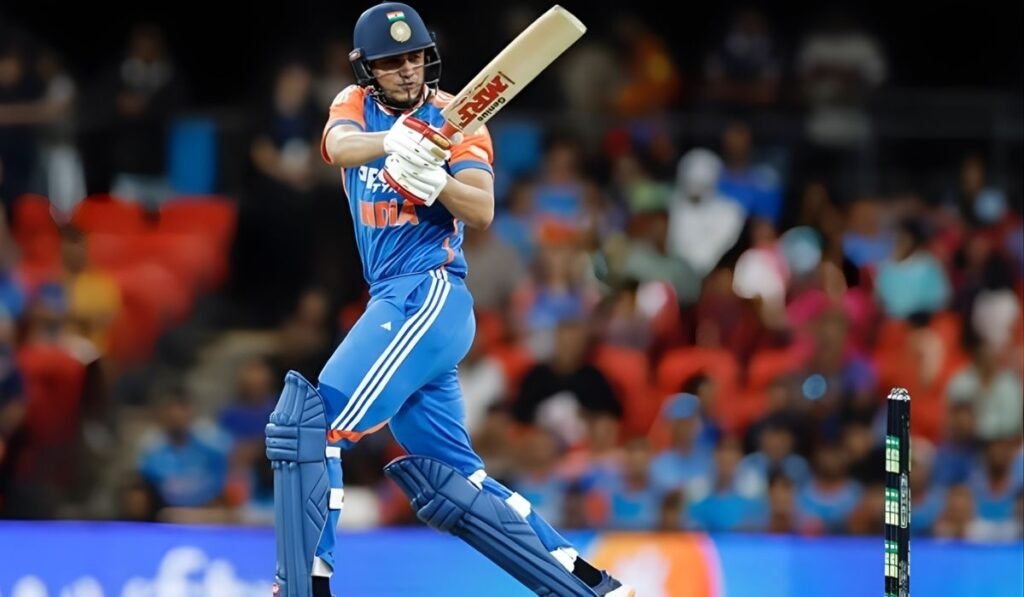

In T20 cricket, team selection is more about timing and tactical clarity than reputation, and India’s squad announcement for the forthcoming T20 World Cup only underscored that truth. In a move that raised many eyebrows, the Ajit Agarkar-led picking committee decided against Shubman Gill even at a time when the opener was seen as central to India’s plans across formats not very long ago.
Gill’s omission had more to do with a last-minute rearrangement on team composition than any precipitous loss of faith in his capabilities. Over the last one year, he has been handed leadership responsibilities, leading India in Tests and ODIs while being named vice-captain in T20Is. That history made his omission from the T20 World Cup squad especially jarring too, since its management had indicated that they would back him towards it.
To the selectors, there is no doubt that they have moved to a super-aggression mode right at the top of the order. They didn’t stick around with Gill but kept Ishan Kishan as the third-choice opener – they gave him company in Abhishek Sharma and Sanju Samson. All three are hard-hitting opener allrounder types, reflecting India’s recent renewed emphasis on taking full advantage of the first six overs.
It’s not that Gill has done anything spectacular in his recent T20I innings. He was also not at his most prolific even in the recent series against South Africa, scoring 28, 0 and 4 in three matches and his returns across his last dozen T20 internationals were below par for a player of his quality. Not passable but underwhelming An ODI strike rate of 103 is no disgrace but the selectors wanted more; impact, specifically in a brand of cricket that rewards early impetus and cumulative pressure.
Agarkar said it was more to do with combinations than Gill’s quality. With just 15 positions to be filled, the selectors were looking at balance, flexibility and being able to rejig the batting order in accordance with match requirements. There was also a preference for having wicketkeepers at the top, which then provide you better balance and options in the middle and lower order.
India’s T20 captain Suryakumar Yadav had a similar view, emphasising that the immediate priority is two create multiple winning combinations. “Their version of the game is becoming more and more high-scoring intensity of starts, and powerplay domination,” he said “A couple guys who have been working in that area capped it off as to why we are doing what we are doing.
The absence of Gill has further underscored the harshness of the shortest format. At the same time as grumpy Australians like me are saying that, there’s a young man dismissed from his third T20 World Cup side, highlighting how rapidly selection dynamics can shift if and when tactics do. Kishan and Samson with no Gill in playing XI will have more responsibility to deliver at the top. The lesson for Gill is clear: no matter how good you are, modern T20 selection often allows sentiment to be overtaken by the primacy of combinations over continuity.